
Sayo-cho Insectarium
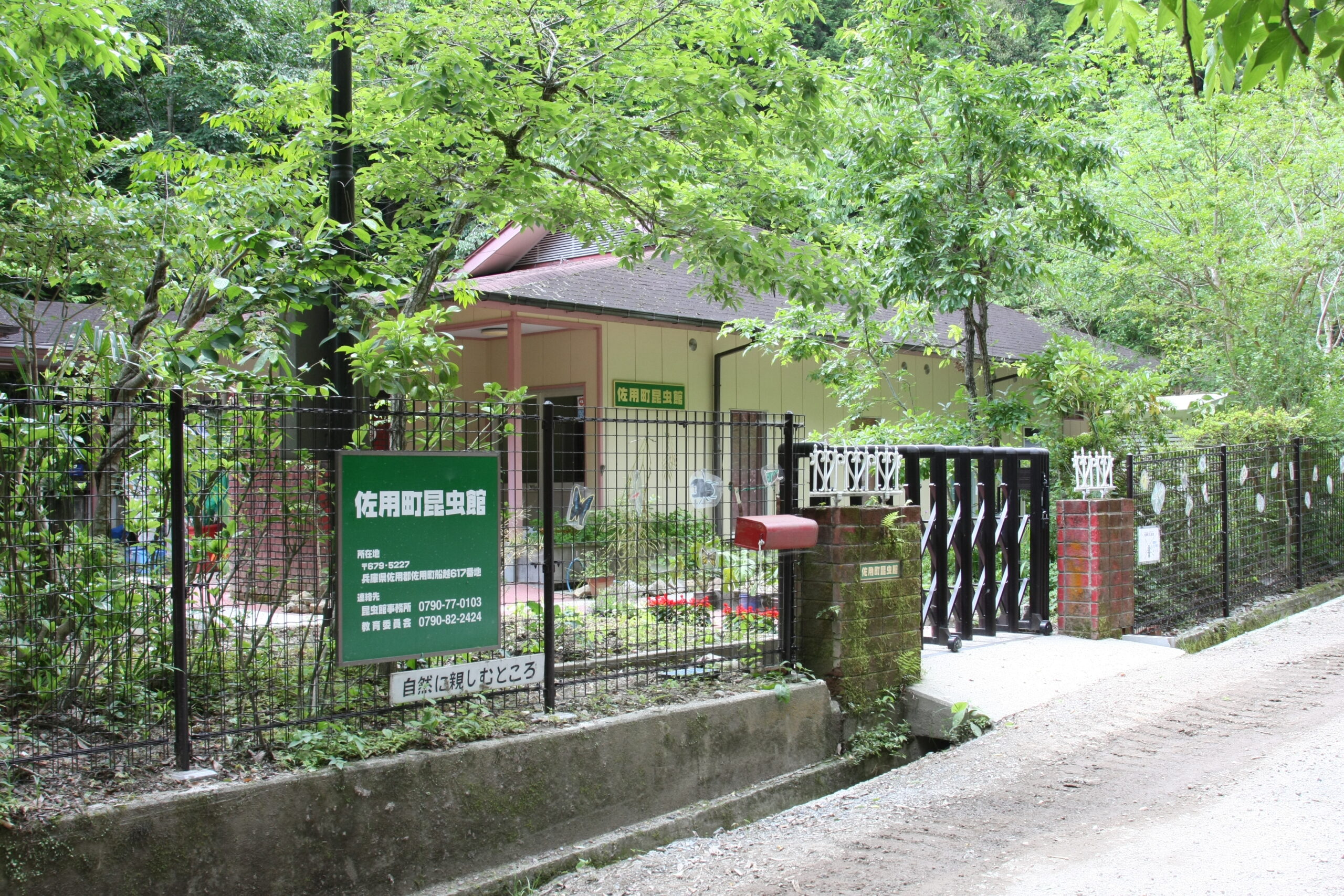
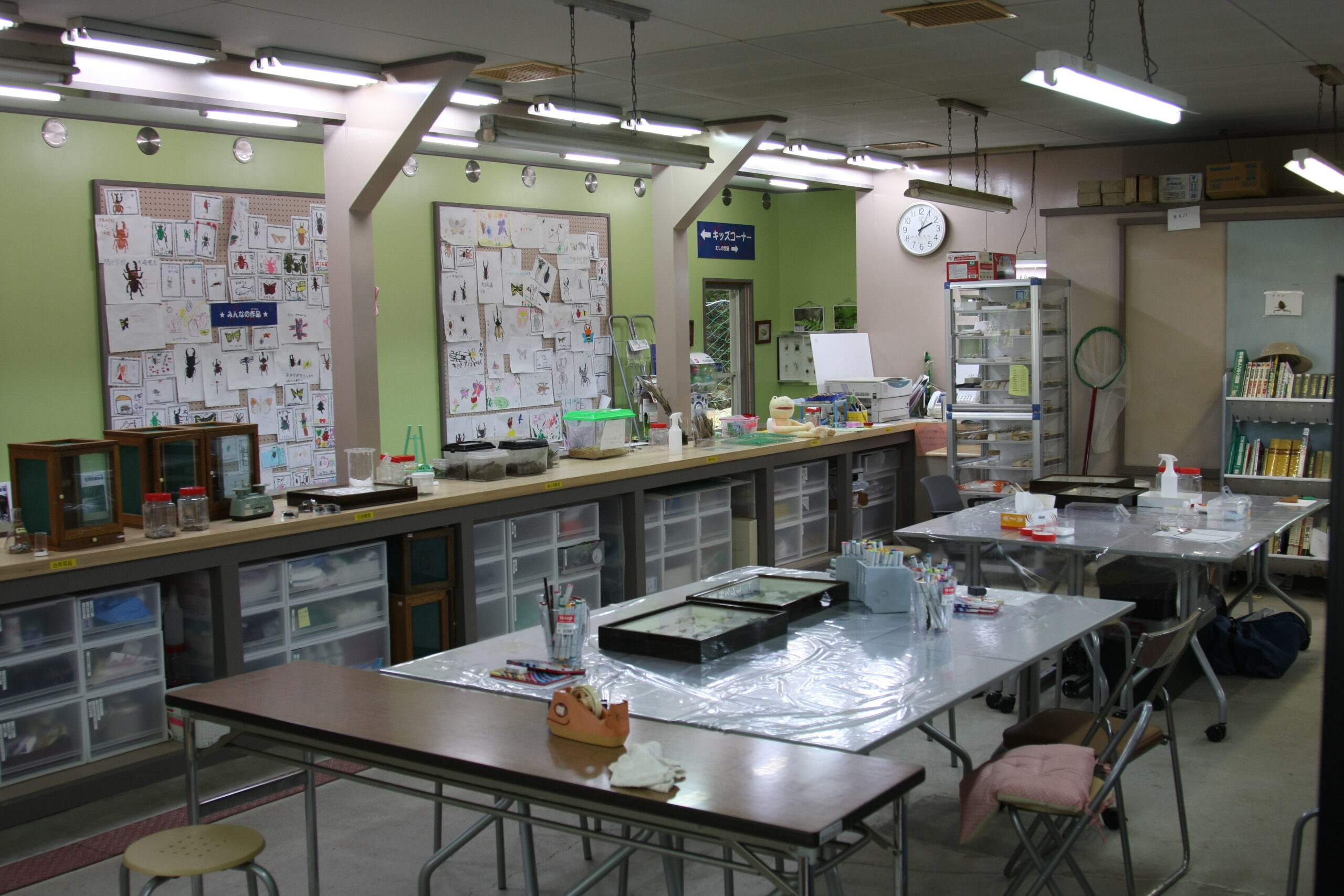
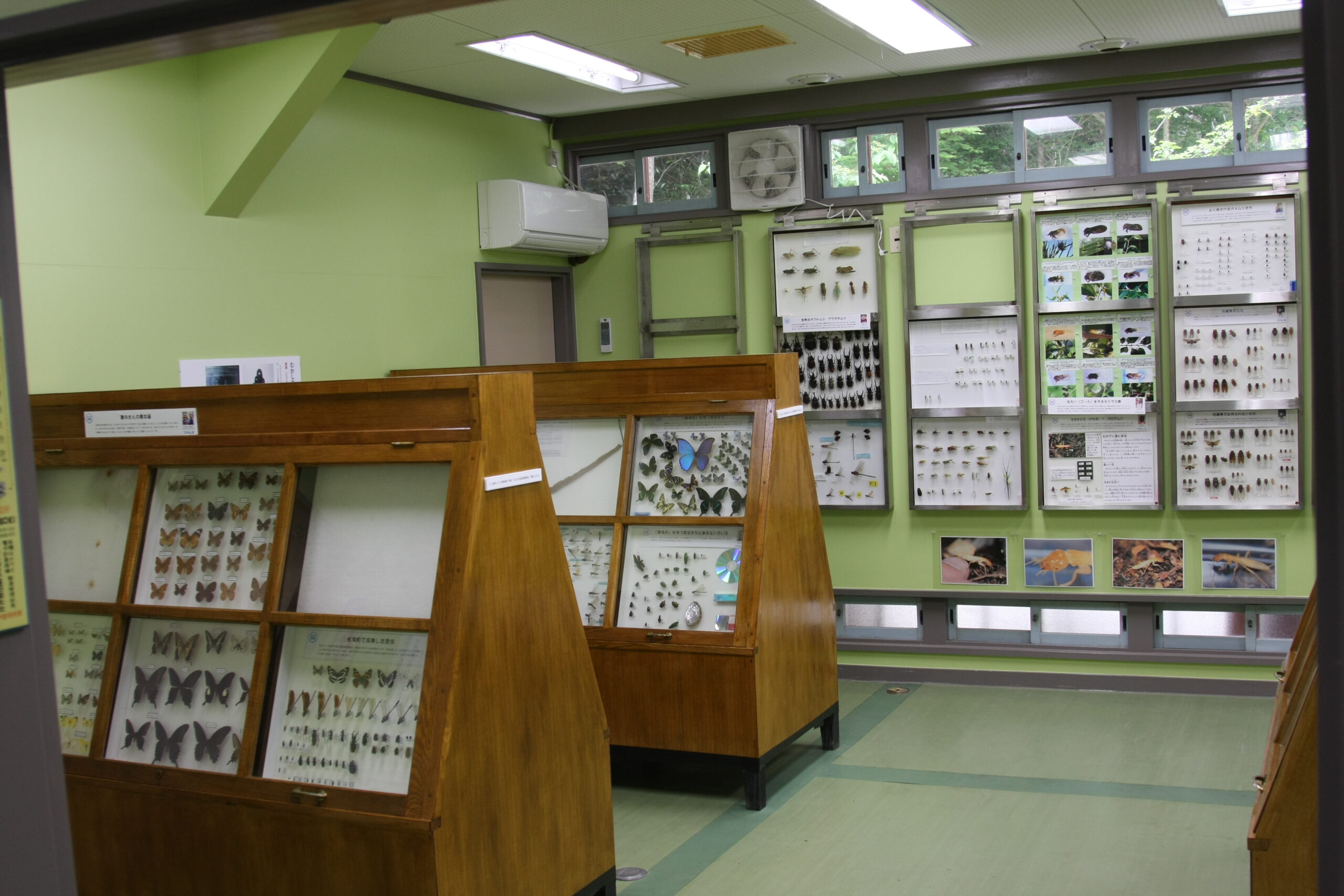
This small insect museum is tucked away near the entrance of Ruri Temple at the base of Mount Funakoshi. The museum exhibits specimens of aquatic organisms, introduces the flora and fauna of the scenic Chikusa River, and offers hands-on programs for children.
DetailDetailed information
- Address
- 617 Funakoshi,Sayo Town
- Telephone Number
- 0790-77-0103(開館日のみ)0790-82-2424(教育委員会)
- Business Holidays
- Open only on weekends and holidays from April to October
- Usage Fees
- free
- Related web sites
- https://www.konchukan.net/sayo/
MAPNeighborhood Information
RecommendRelated Recommended Spots

Cobaco Work&Camp
Located in front of Sayo Station, Cobaco is a coworking space open for anyone to use. The space offers an enriching lifestyle experience where people with various skills, backgrounds, and knowledge can collaborate.
Jyujiro Hirafuku Tea Room
Jyujiro, a popular Japanese confectionery in Himeji, has finally opened a shop in Sayo where it originated. Specialties such as "Ohagi" (sweet bean cakes) and komochi (small rice cakes) are made with all additive and pesticide-free local ingredients including glutinous rice, azuki beans, and glutinous soybeans. Visitors can relax and enjoy these traditional Japanese sweets in the cafe space and also purchase local agricultural products.
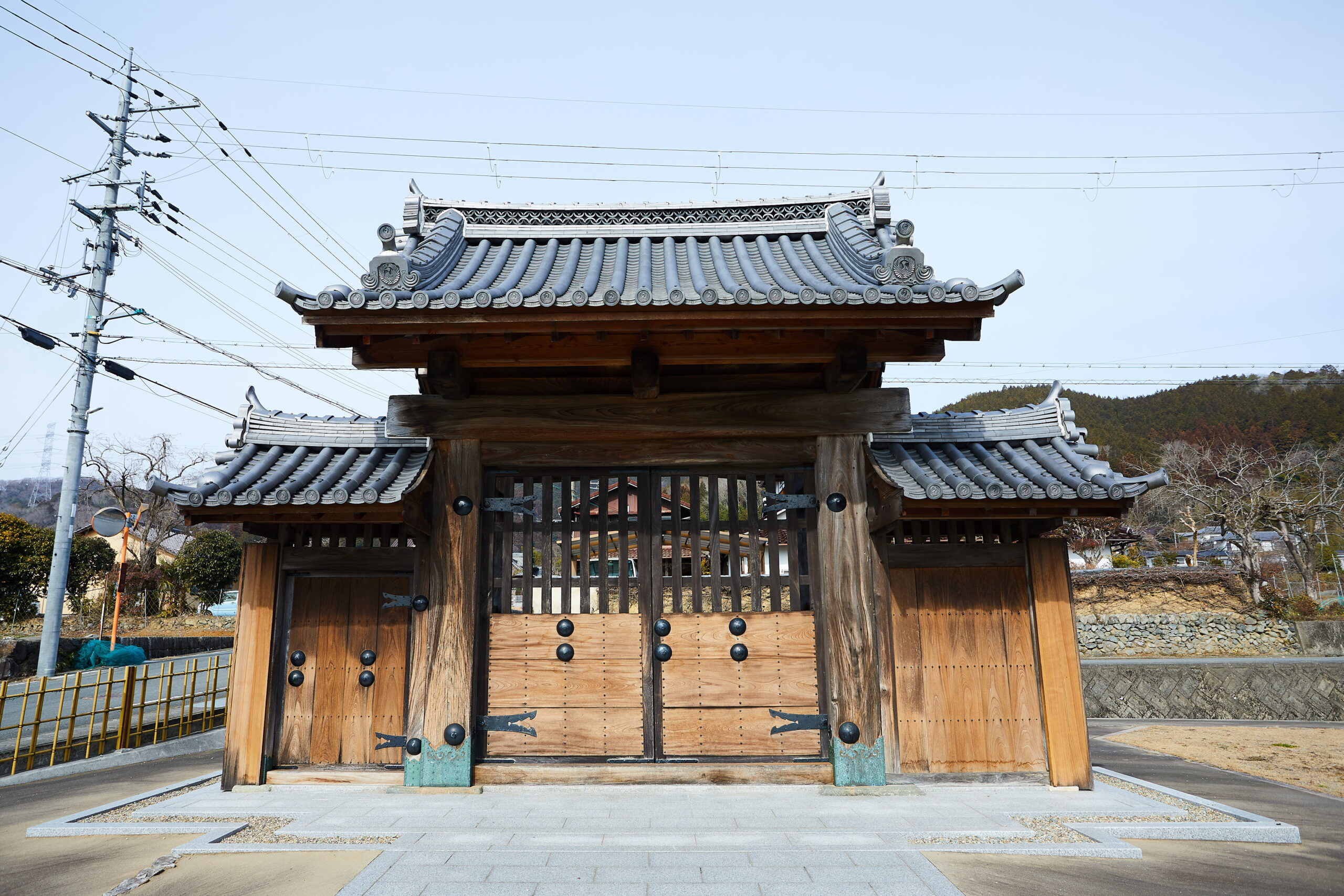
Mikazuki Han-no-Inojinya Front Gate
During the Edo Period (1603-1867), this "Omote-mon" was the largest gate in the residential area of the Mikazuki Domain. It is said that 300 homes once stood here. Within the enclosure, which was divided by various gates, walls, and moats, the Omote-mon gate had an important role in dividing the central street. The gate was dismantled with the abolition of feudal domains in the Meiji Period (1868-1912) and used as the gate of a temple in Tatsuno City, before it was restored to its original location in 2017. It is a valuable architectural structure of the Mikazuki clan and is designated as a cultural asset by the town.
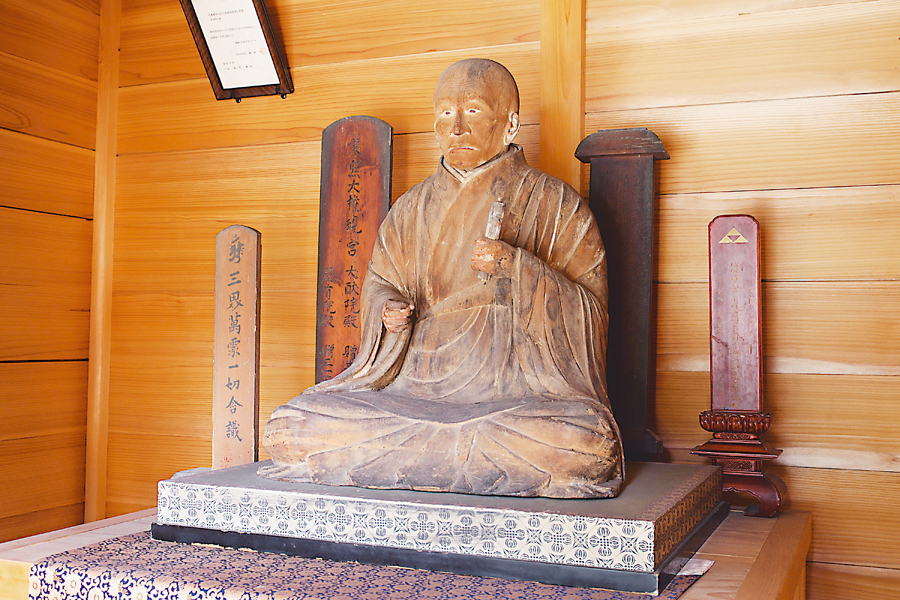
Statue of Hōjō Tokiyori
Hōjō Tokiyori was a shogun during the Kamakura Period (1185-1333) and ruled from 1246 to 1256. Tokiyori was often praised for his character, traveling the country and helping those in need. It is said that he visited this area, staying for three months due to a severe illness. Because of his extended stay, the region became known as "Mikazuki", meaning "three-day moon". Tokiyori, who received generous nursing care from the villagers, left a wooden statue he had carved and a waka poem as a token of his gratitude. After this, the village was named "Haruya," after a verse in the poem.
Gift Jyuuta
"A gift specialty store that has been in business for more than 100 years and boasts a long history of trust and achievement, the store will reopen in 2021 with a lineup of café-style items that combine practicality and good taste from the perspective of a female owner. You are guaranteed to find sophisticated tableware, interior goods, and other items that will make your daily life more enjoyable."
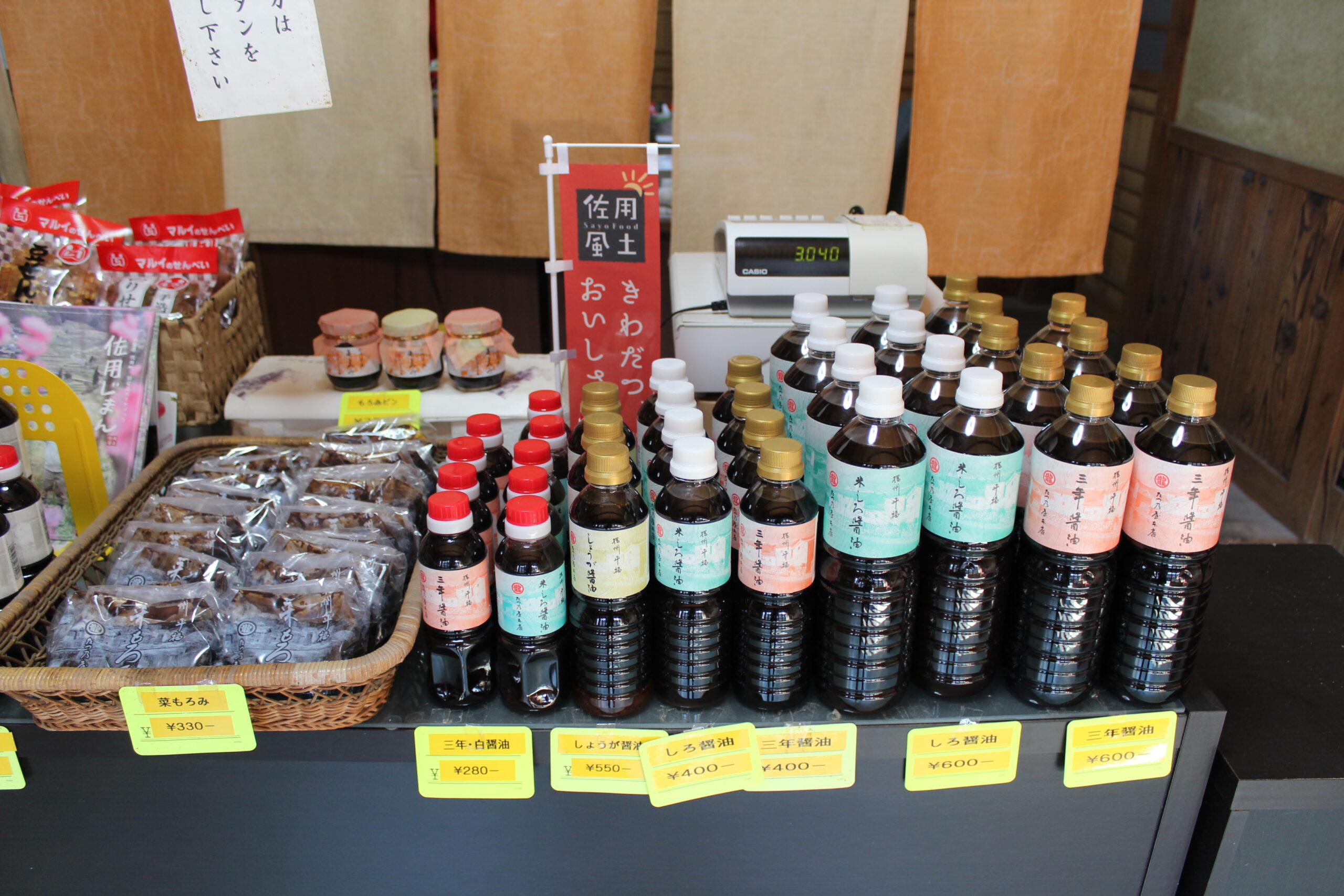
Tatsunoya (Main Shop)
Established in 1697, you can experience a slice of Japan during the Edo Period (1603-1867) at this historical soy sauce shop. Strictly using traditional methods, soy sauces such as the "Sannnen Soy Sauce" are made by slowly aging domestic whole soybeans for a period of three years. Others, such as the "Sashimi Soy Sauce," are made by adding koji (rice malt) back into raw soy sauce to bring out its rich aroma. Soy sauces sold here are all-natural and do not contain any additives.
GourmetNearby Gourmet Spots
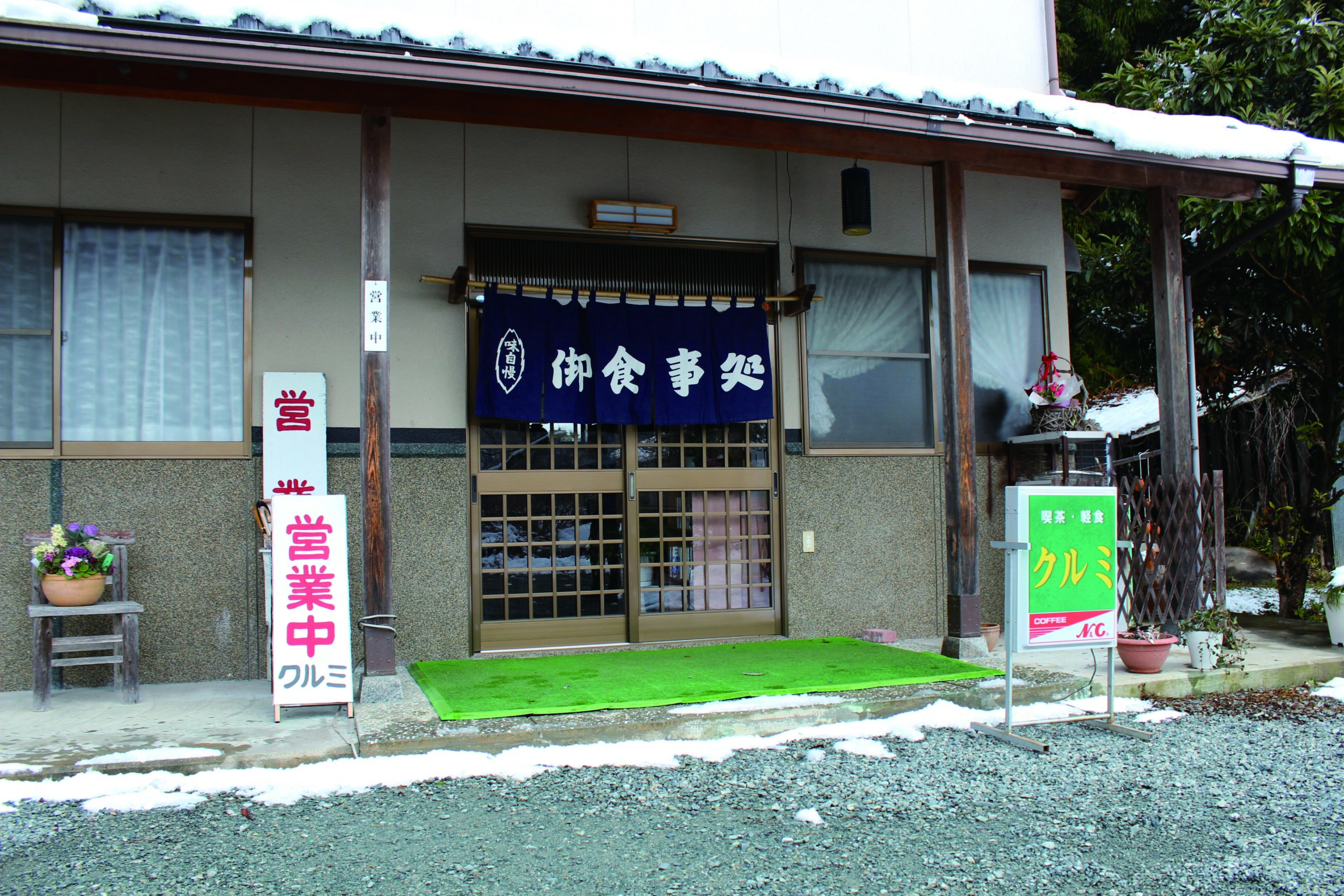
Kurumi
This restaurant is known for its specially prepared sauce, offal yakiudon, stir-fried noodles, and warm, friendly customer service.
Misaki Otoriten Umara Rest Area
"An open-air restaurant like an oasis for anglers located on the banks of the Chikusa River. The salt-baked sweetfish is grilled slowly over binchotan, high-grade charcoal, so the entire fish is edible from head to tail. If you are lucky, natural extra-large eels may be on the menu. The restaurant is open during the sweetfish fishing season, so please call in advance to confirm."
Restaurant Kumotsuki
This restaurant provides specially prepared meals featuring Kobe beef and hand-picked vegetables from local farmers.
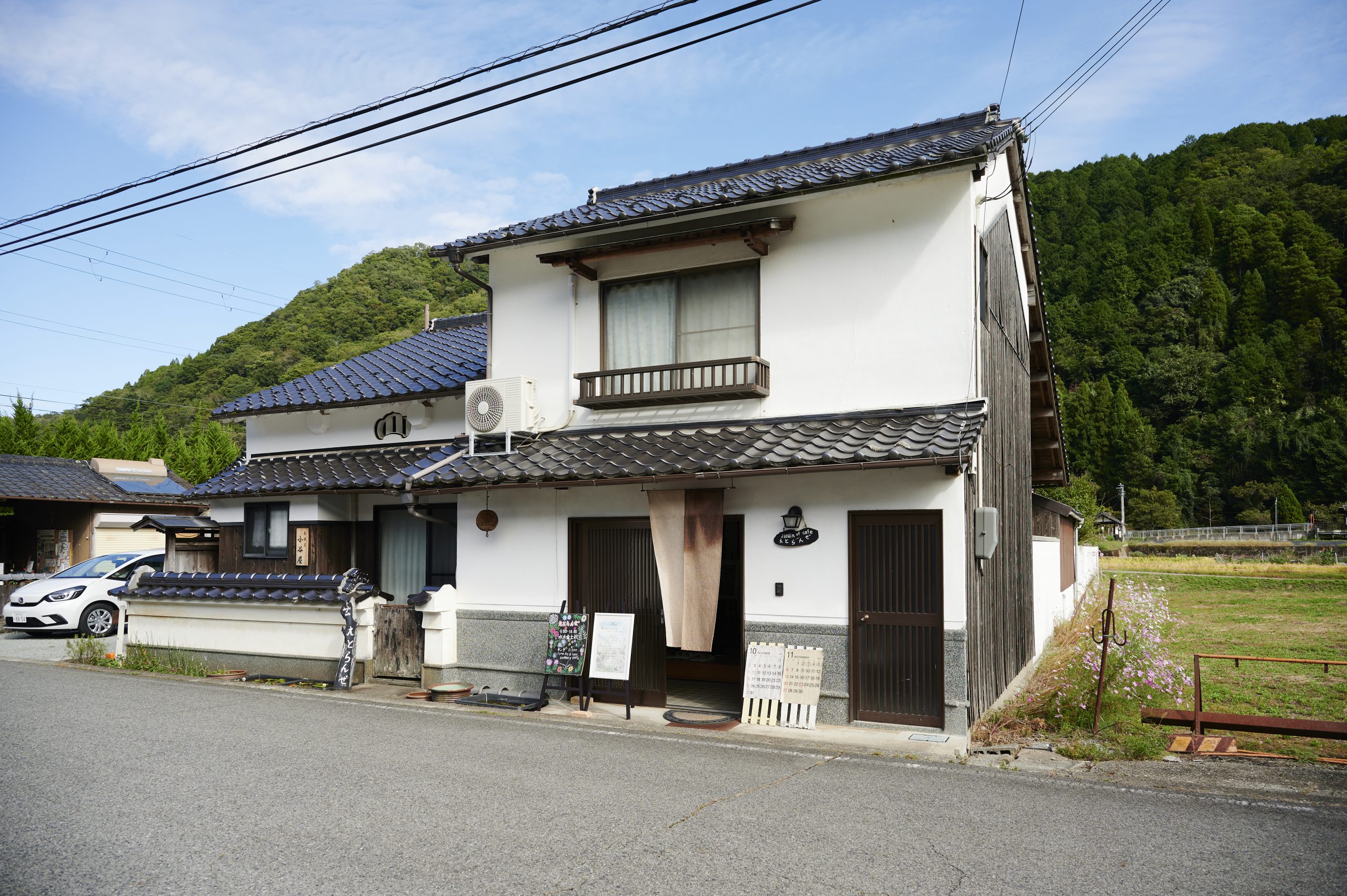
"A nostalgic old folk house café in the historic Hirafuku townscape. A modern ""Tea Ceremony Space"" with a sense of hybridity that transcends the boundary between Japanese and Western styles. Enjoy handmade lunches and sweets while seasonal flowers bloom. In addition, when you order coffee, we will deliver the aroma of freshly roasted beans to your seat."
Roadside Shop Shukuba-machi Hirafuku
Hirafuku was a bustling post town along the historical Inaba Kaidō Highway during Japan's Edo Period (1603-1867). This roadside shop is the gateway for sightseeing in the Hirafuku area, where the old castle town remains. The shop offers a sales corner selling fresh local vegetables and local specialities, a restaurant serving dishes made from local ingredients, an observatory overlooking the "Ruins of Toshigami Castle", a tourist information space, and a cycle station for passing cyclists.
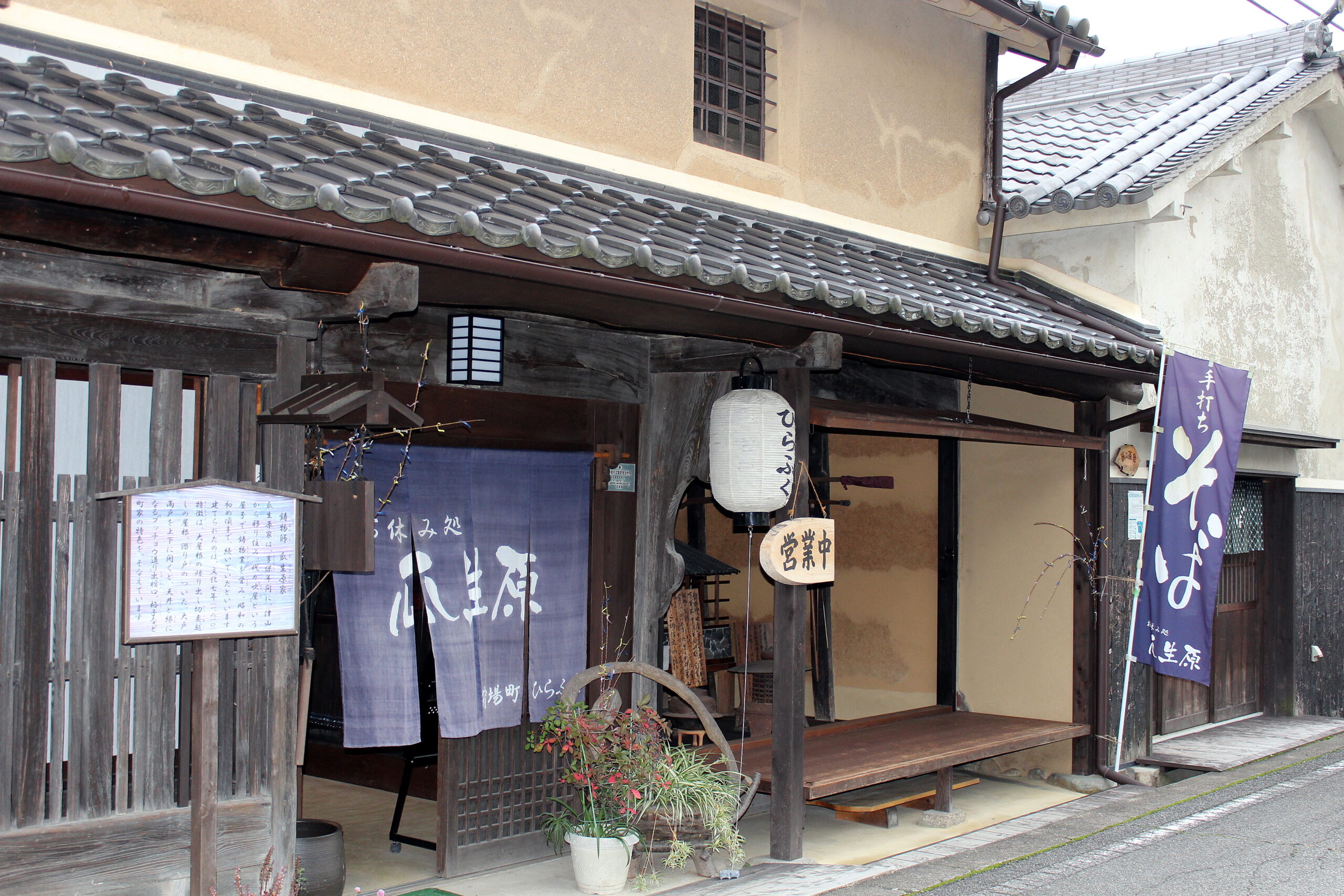
Oyasumi-dokoro Uryubara
This community center was renovated from the original residence of the Uryubara family. The Uryubara's ran a foundry business in the region from the Edo Period (1603-1867) until the beginning of the Showa Period (1926-1989). The current building, erected in 1810, has a large smoke vent built into the roof, a unique architectural aspect of buildings in the former inn town of Hirafuku. The facility offers homemade soba, allowing visitors to sit-back, relax, and enjoy a delicious meal while they tour the building.
HOTELNearby Accommodations
Nanko Nature Village
The campground is a popular all-season, full-scale outdoor facility along the banks of the Chikusa River and has been voted as one of the top 100 most beautiful waters in Japan. The family-friendly grounds provide unique tree houses, cottages with wood-burning stoves, and even Finnish saunas. Several cottages are fully equipped with underfloor heating and air conditioning to make your stay as comfortable as possible. In summer, visitors can enjoy outdoor activities such as playing in the river and collecting insects.
Guest House Asagiri
You can rent out a traditional Japanese private house in the mountains surrounded by nature. Please spend a relaxing time as if it's your "home away from home". We have amenities prepared so that you can come empty-handed. You can enjoy barbecues, playing in the river, a bonfire, etc. with your friends and family. It is also ideal for a training camp for a group of colleagues.
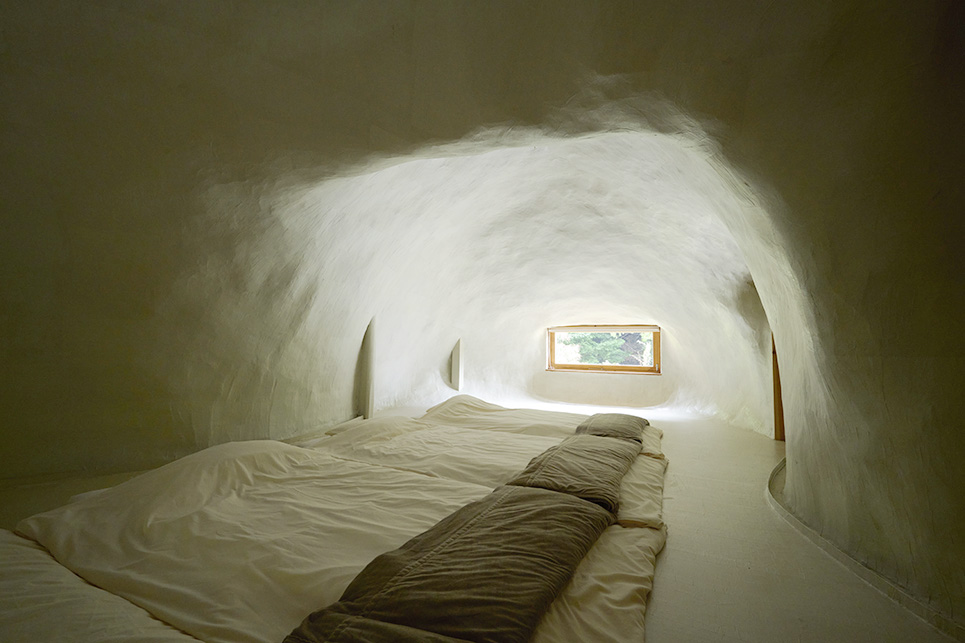
Glaminka Sayo
For those who want a unique Japanese glamping experience during their travels, this is the place! This glamping campground was once an old village at risk of falling into ruin, but was instead saved by a team of architects from all over Japan who treasured the building's beauty and historical value. The four old folk houses were restored with a comfortable, modern twist while maintaining the old traditional architectural charm of the structures.
Nipponia Hirafuku Post Town
This private accommodation is set in the renovated former Kimura Residence, said to have been built in the Taisho Period (1912-1926). While preserving the thick beams and traditional exterior, the house is furnished in a way that combines the atmosphere of ages past and modern comforts, with locally produced Minada washi paper used for the shoji screens and sake barrels used as tables. Visitors can enjoy relaxing on the veranda surrounding the spacious courtyard or taking a soak in the spacious bath made of Hyogo cypress.
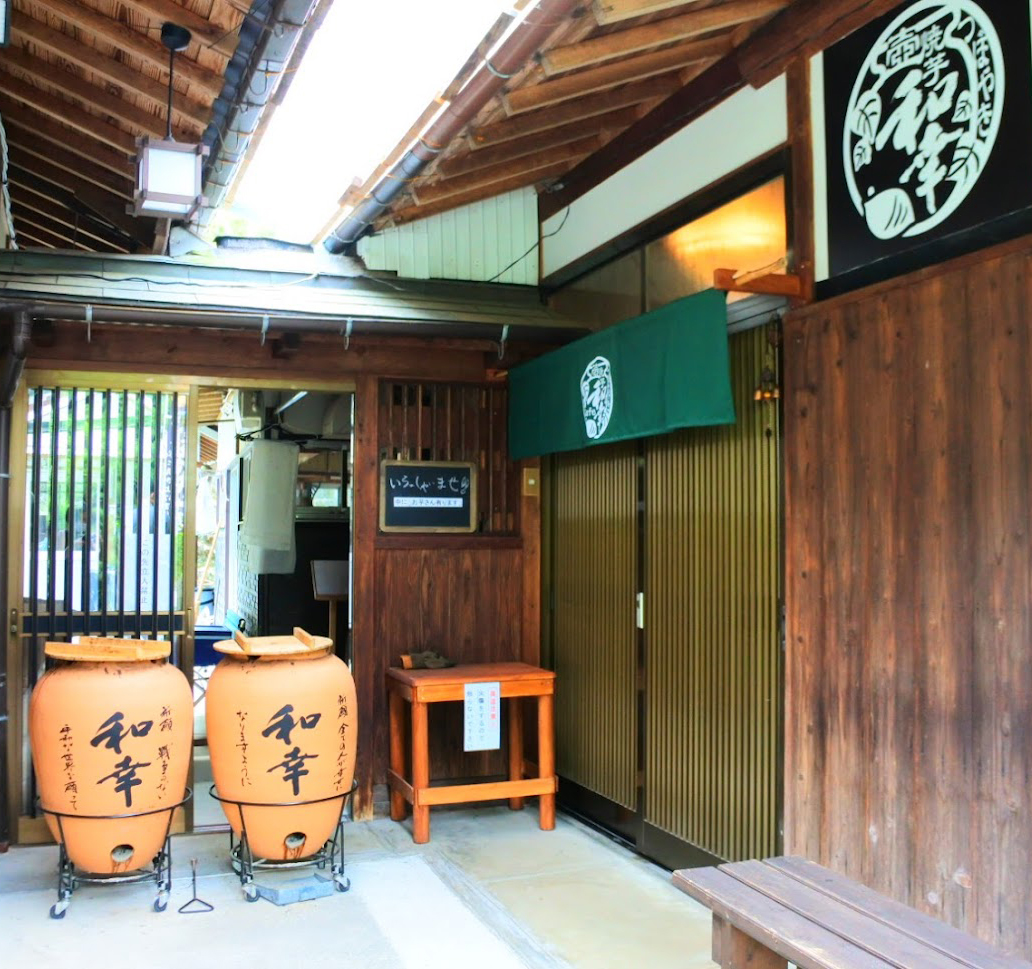
Tsuboyaki Potato Specialty Store Wako
"A sweet shop where you can enjoy tsuboyaki sweet potatoes, which are slowly baked in a pot by hanging them in a pot over charcoal. In addition to baked potatoes, which is sold by weight and can be served ""hot, cold or chilled"", there is also a coffee shop menu that includes sweets such as warm baked sweet potato topped with ice cream and a fluffy pile of shaved ice. the baked sweet potatoes will end as soon as the matured ""Beniharuka"" runs out (Approx. August) and will be sold from January of the following year, so please contact us before visiting."
Outdoor vacation rental Ahirunomori
"The owner, who used to run an outdoor shop in Osaka, started this hands-on home-stay experience when he moved to the area. The appealing menu includes bushcraft workshops based on the experience of former Self-Defense Forces personnel, and cycling tours using electric cross bikes. Guests are also free to use the self-built huts on the premises, so they can use the Ahiro Forest for BBQ's, ent stays and other fun activities."